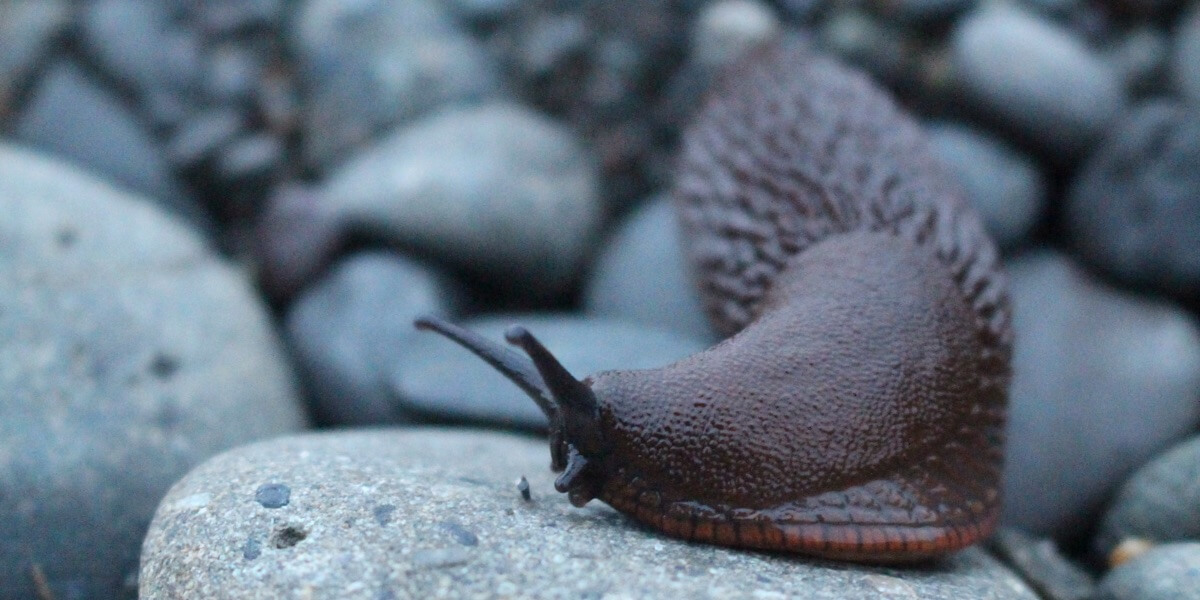
Slugs are gastropod mollusks that can be both fascinating creatures in their natural environment and troublesome pests in gardens and agricultural settings. They are known for their soft bodies, lack of a protective shell, and a preference for damp and moist environments. While some slugs can be beneficial decomposers in ecosystems, certain species can cause damage to plants and crops, making them a concern for gardeners and farmers.
Here are some common methods for slug pest control:
- Handpicking: For small gardens or localized slug infestations, manually removing slugs can be effective. Go out at night (they are nocturnal) with a flashlight and collect them in a container. You can then dispose of them far away from your garden.
- Barriers: Create physical barriers to prevent slugs from reaching your plants. You can use copper tapes or strips around pots or garden beds, as slugs dislike crossing copper due to a reaction with their slime.
- Mulching: Adding a layer of mulch like wood chips, straw, or crushed eggshells can create a rough surface that discourages slugs from moving across it. Avoid using materials that retain too much moisture as this could attract slugs.
- Beer traps: Bury containers in the ground and fill them with beer. Slugs are attracted to the yeast in the beer, crawl into the containers, and drown. Regularly empty and refill the traps.
- Diatomaceous earth: This is a natural, abrasive powder made from fossilized algae. Sprinkle it around plants you want to protect. When slugs come into contact with it, it dehydrates them, causing them to die.
- Predators: Encourage natural slug predators in your garden, such as birds, frogs, toads, and certain insects like ground beetles. Creating a wildlife-friendly garden can help maintain a balanced ecosystem.
- Natural repellents: Some natural substances like coffee grounds, crushed garlic, or neem oil can act as slug repellents. However, their effectiveness can vary, and they may need frequent reapplication.
- Chemical controls: Chemical slug pellets are available, but their use is controversial due to the potential harm they can cause to other wildlife and pets. If using them, follow the instructions carefully and avoid excessive application.
- Trap crops: Planting slug-resistant or slug-attracting crops away from your main plants can divert slugs from your desired vegetation.
Remember, in any pest control strategy, it’s essential to consider the broader environmental impact and opt for methods that are less harmful to beneficial insects, birds, and other wildlife.
Finally, regular garden maintenance, like removing plant debris and keeping the garden tidy, can reduce slug hiding spots and make the environment less favorable to them.