
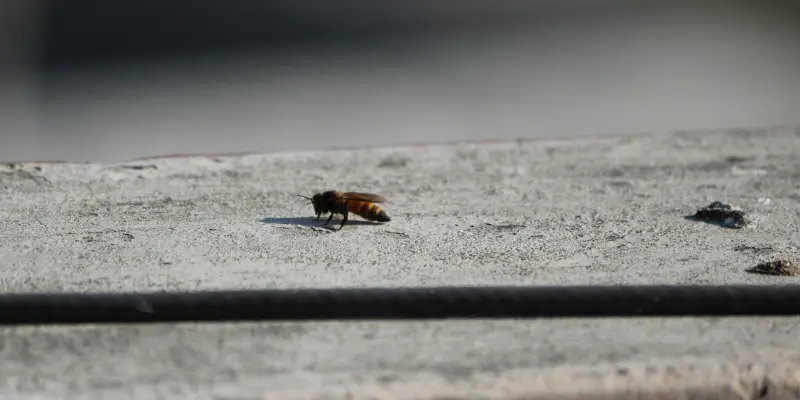
As the Cornish summer fades and the temperatures begin to dip, you may notice a change in the behaviour of wasps. These once-busy insects become sluggish, seemingly drunk on fermenting fruit and the changing environment. While they may appear less threatening, their altered state can still lead to stings if handled improperly.
Understanding why wasps behave this way and how to approach them safely is essential for anyone dealing with these pests at this time of year.
Why Do Wasps Get Drowsy?
Wasps are highly active in the warmer months when their colonies are at their peak. However, as autumn approaches, the temperature drops, food sources diminish, and their lifecycle begins to wind down. Worker wasps, whose main purpose is to serve the colony, find themselves redundant as the queen stops laying eggs.
Without their regular tasks, wasps often seek sugary foods and can be drawn to fermenting fruit or discarded sweet drinks. These substances can intoxicate them, making their movements slower and their behaviour erratic.
Additionally, cooler weather slows down their metabolism, leaving them sluggish and less coordinated. This combination creates the “drowsy wasp” phenomenon that many people in Cornwall observe in late summer and early autumn.
Are Drowsy Wasps More Dangerous?
Despite their lethargy, wasps can still sting and may be more likely to do so if they feel threatened. Their erratic movements and heightened irritability increase the risk of stings, particularly if someone accidentally disturbs them.
It’s important to remember that wasps, even in their drowsy state, play a vital role in the ecosystem. They help control pest populations and contribute to pollination. Therefore, handling them with care is essential.
Safe Tips for Removing Drowsy Wasps from Premises
If you find drowsy wasps in your home, garden, or workplace, follow these tips to remove them safely and effectively:
- Wear Protective Clothing
When dealing with wasps, even sluggish ones, it’s best to wear long sleeves, gloves, and closed shoes to protect yourself from potential stings. - Use Gentle Movements
Avoid swatting or making sudden movements, as these can agitate the wasps and provoke them into stinging. - Create a Safe Exit
Open windows or doors to allow the wasps to leave naturally. Turn off interior lights and leave an exterior light on to encourage them to fly towards it. - Use a Container for Removal
If the wasp is indoors, carefully place a glass or cup over it and slide a piece of card underneath. Slowly move the wasp outside and release it away from your home. - Avoid Using Sweet Baits
Setting out sugary traps may attract even more wasps. If removal is proving difficult, it’s better to seek professional help. - Contact Pest Control Experts
If you have a persistent problem or discover a wasp nest, contact a professional pest control service like D Cornish Pest Control. They can safely and efficiently handle the situation without endangering you or your family.
Prevention for Next Year
To minimise wasp encounters in the future, take preventative measures such as:
- Regularly sealing bins and removing fallen fruit from your garden.
- Inspecting your property for early signs of nest-building in the spring.
- Installing fly screens or netting to reduce entry points into your home.
Final Thoughts
Drowsy wasps at the end of the Cornish summer are a natural part of the changing seasons. By understanding their behaviour and approaching them with care, you can avoid unnecessary harm to yourself and the insects.
For safe, professional assistance with wasps or other pests, contact D Cornish Pest Control today. With expert guidance, you can enjoy a wasp-free environment and peace of mind.